
AfricaBy Victor Tadiwa• 3 days ago
A STADIUM REBORN: ZIMBABWE'S NATIONAL SPORTS STADIUM HANDED BACK TO THE NATION
Advertisement
After years of abandonment and a costly exile from home soil, Zimbabwean football has reclaimed its spiritual home — thanks to a transformative public-private partnership with Sakunda Holdings.
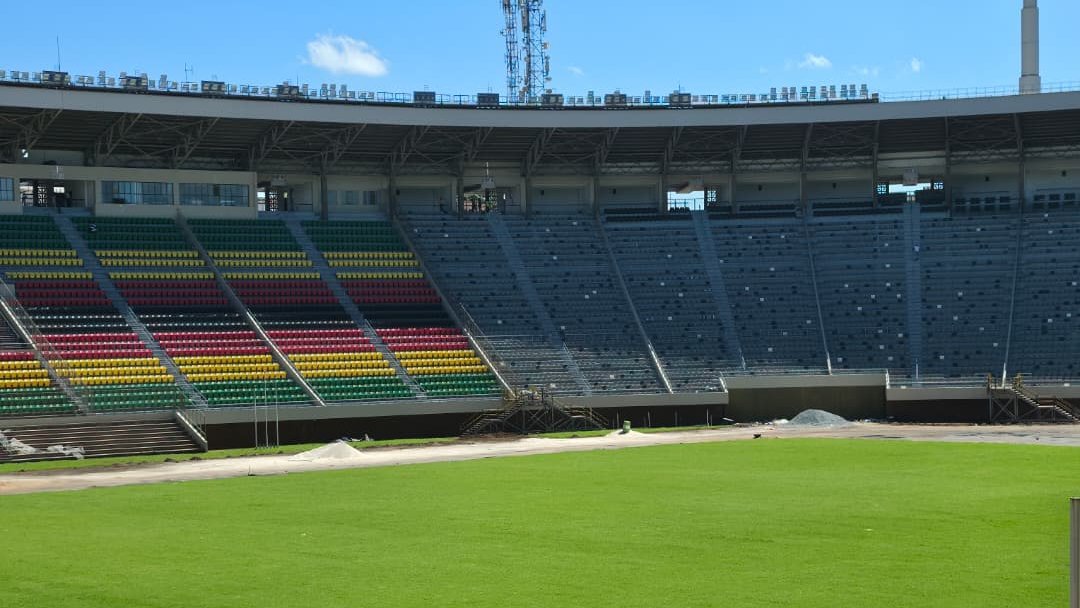
Zimbabwe's iconic National Sports Stadium has been officially handed back to the government following a sweeping programme of renovations, marking the end of a difficult chapter for the country's football administration. The handover, facilitated through a public-private partnership with energy giant Sakunda Holdings, signals a new dawn for a stadium that had fallen into disrepair and been shuttered since 2023.
The stadium's decline had been long in the making. The national team first abandoned the venue in 2021 after an adverse inspection report from the Confederation of African Football (CAF) highlighted deteriorating conditions at the ground. What followed was years of logistical hardship — administrators scrambling for resources, fixtures played in foreign lands, and a national team without a home to call its own. Imagine playing home games away from home.
The renovations undertaken by Sakunda Holdings have been extensive. A new playing surface has been laid, modern seating installed throughout the stands, technical areas upgraded to meet contemporary standards, and the changing rooms fully modernised. The result is a facility that not only meets the expectations of modern football but also one that Zimbabweans can once again take pride in.
While final touches are still being completed ahead of a forthcoming CAF inspection — which will determine the stadium's eligibility to host international matches — the venue is already cleared for domestic use. Local clubs are set to return to the stadium at the end of the month, with an international reopening to follow once CAF gives the green light.
Football administrators have made little effort to conceal their relief. The burden of organising home fixtures abroad had placed enormous financial and logistical strain on the sport's governing bodies, and the reopening removes that pressure almost entirely. Zimbabwe's footballers can now train, prepare, and compete on familiar ground — a psychological and practical advantage that should not be underestimated.
The capacity implications are equally significant. With the stadium able to accommodate 44,000 supporters, Zimbabwe finally has a venue large enough to absorb the demand of its biggest matches. The urgency of this was illustrated all too recently at a Harare derby, where overcrowded conditions at a smaller venue forced stewards to turn away more than 5,000 fans at the gates. With the National Sports Stadium restored, that scenario becomes a relic of the past.
The partnership model behind the renovation is also noteworthy. At a time when public infrastructure across the continent often struggles to secure state funding, the involvement of Sakunda Holdings demonstrates what private capital can achieve when directed towards the public good. It is a template that other sporting bodies and municipalities may well look to replicate.
For now, though, the focus is firmly on the football — and on the joy of a nation welcoming its most storied stadium back from the brink.